
Ipswich Parishioner Joins Silver Jubilee Celebrations
August 12, 2026
Dr Ian Watson: Being a Catholic in Ecumenical Space
August 13, 2026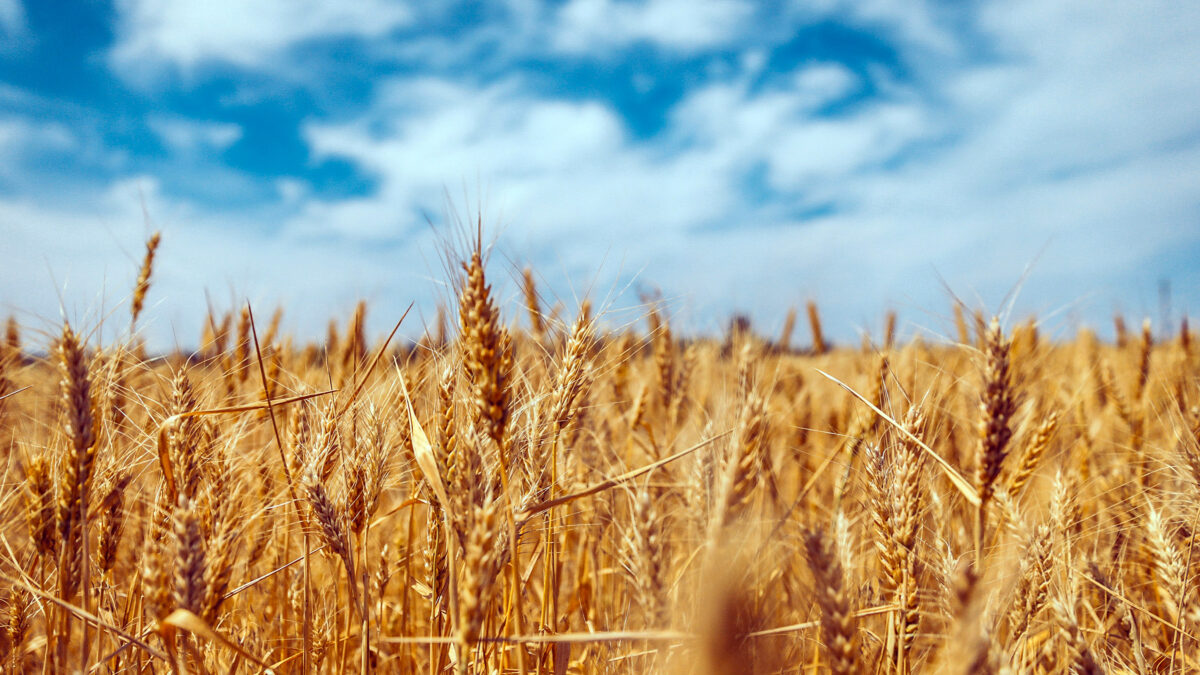
In his regular column Fr Alvan Ibeh invites readers to examine whether they are living as ‘wheat’ or ‘weeds’, reminding them of God’s patience, the power of repentance, and the call to bear the fruits of love, humility and service.
On the 16th Sunday of the year, the Gospel reading at Mass was from Matthew 13:24–43, which is the Parable of the Weeds. In this parable, Jesus describes a field where good seed is planted, but an enemy secretly sows weeds.
As I was reflecting on this reading, I got a message that gave me a completely different understanding of this parable, which I have read several times. This is one thing about the Word of God. It is always alive and active (Hebrews 4:2). The more we read and reflect on it, the more God reveals new things about Himself to us.
The parable of the wheat and the weeds is not merely about identifying “good people” and “bad people”. It is an invitation to examine ourselves by asking: “Am I a weed or wheat?” Another question that comes up from this parable is: “Am I this enemy who came at night to sow these weeds?”
What does it mean to be wheat or weed, then? Being wheat means allowing God’s Word to bear fruit in our lives. Wheat nourishes others. It bends in humility as it ripens instead of standing in pride. Every disciple of Christ is recognised by love, mercy, forgiveness, truth and service. This is what it means to be wheat.
Being a weed means allowing sin to spread unchecked. Weeds do not simply fail to bear fruit – they hinder the growth of others. Gossip divides communities. Anger destroys relationships. Selfishness weakens families. A life centred on self rather than God becomes a stumbling block. These are not needed in the life of a child of God. That is why weeds are defined as an unwanted plant.
But even when, because of the type of life we live, it becomes clear that we are weeds, there is still hope for us. We can still change from being weeds to becoming wheat. Impossible, right? In the eyes of men, this is very impossible, and that is the reason why we can easily conclude about others that they are finished or can never amount to anything. When Paul changed from being a persecutor of Christians to a preacher of the Gospel, even the disciples of Jesus couldn’t believe it. God can do the impossible. Remember, He is a specialist in impossibilities. So even the worst person on earth can be transformed by God, so we shouldn’t make conclusions or even give up on anyone.
Therefore, the most hopeful part of the parable is God’s patience. The servants, just as any of us would want to do, wanted to pull the weeds immediately, but the master says, “Let both grow together until the harvest.” God’s patience does not mean He tolerates our sins; He is only giving us time to repent. Whenever we sleep and wake up, it’s another opportunity He has given us to change from being weeds to wheat. He would have uprooted us while we were sleeping, but He says, “Let’s give him/her another opportunity today.” He does not rush to condemn us. Every new day is another opportunity to become what He created us to be.
Another question I can ask myself in this parable is, “Am I like the enemy who came at night and sowed weeds in the farm someone has worked so hard to cultivate?” Whenever I see something good happening in someone else’s life and choose to cause them sadness, I am acting like the enemy. Whenever I see peace and choose to sow confusion, I am acting like the enemy. When I see friends getting along well and choose to use gossip to put them asunder, I am an enemy planting weeds of discord. If I am someone who is always putting hateful thoughts in people’s minds against others because of the things we say or do, then I am the enemy who goes around planting seeds of hatred.
So, let us ask ourselves this question: Who exactly am I? A weed, wheat, or an enemy?
The final harvest reminds us that our choices matter. One day we will stand before God, not judged by appearances but by the fruits our lives have produced.
May we choose each day to be good wheat in the Lord’s field, bringing hope, love, and life to everyone we meet.