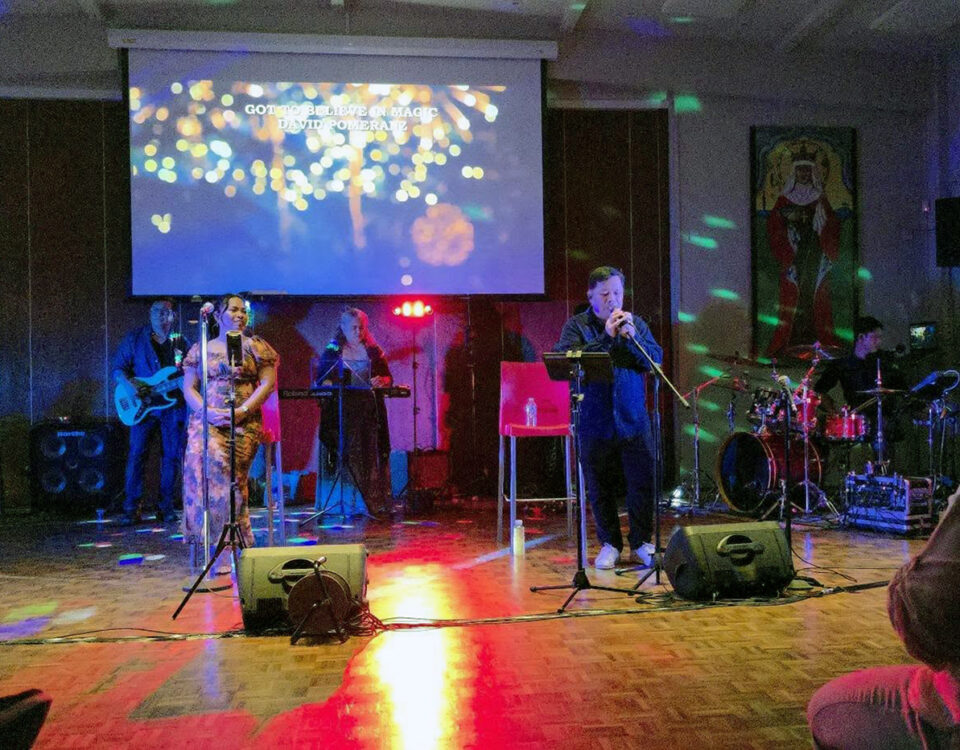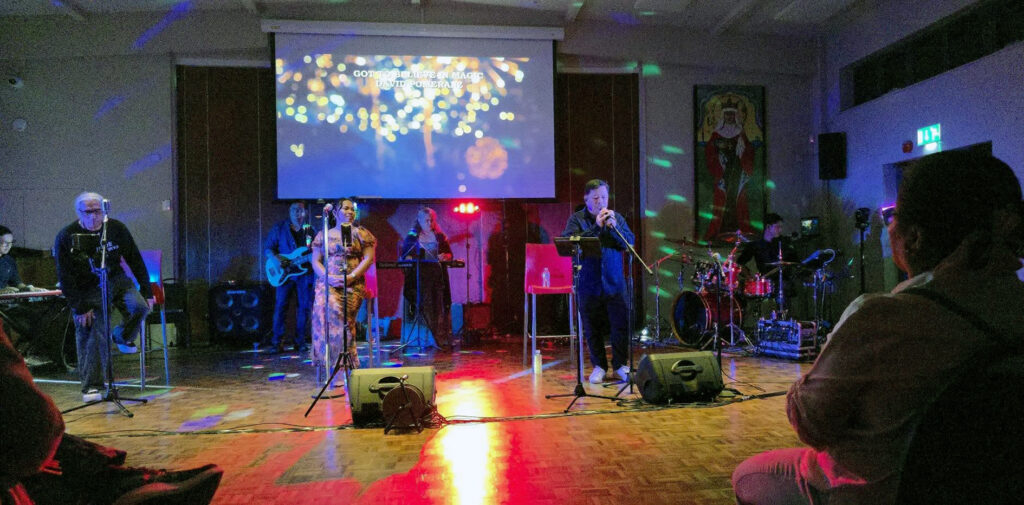

ANCOP Concert for Scholars and Parish Youth
November 5, 2026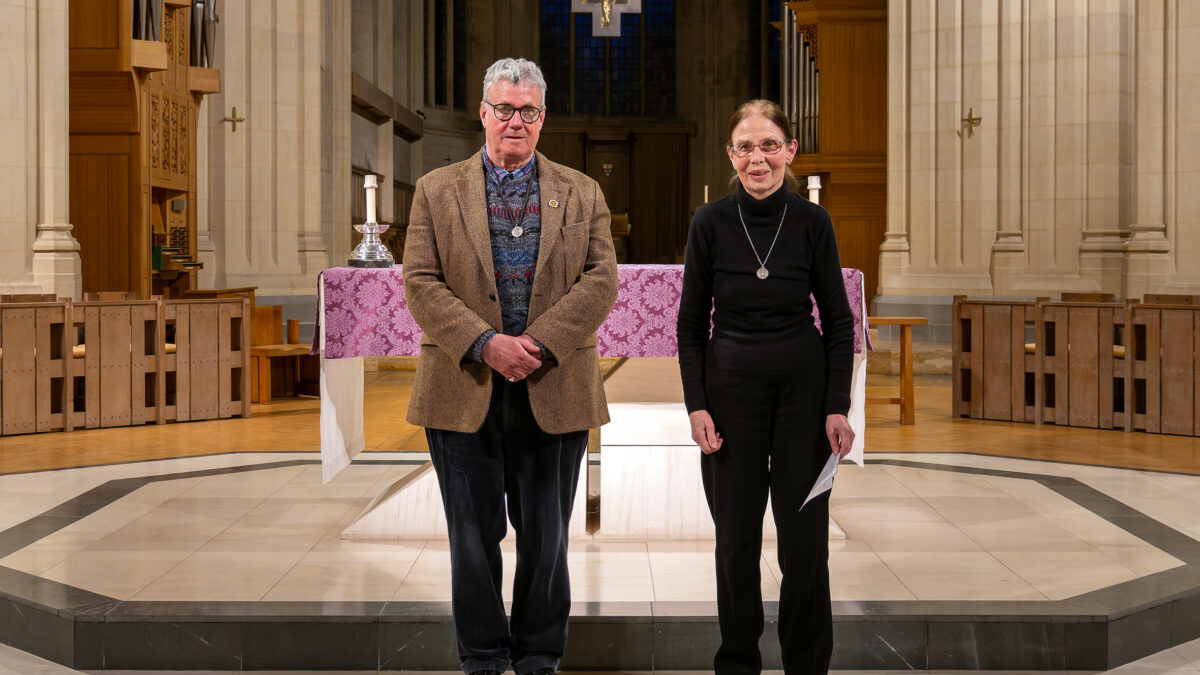
Anita Dowsing from the Norwich Chapter of Benedictine oblates and friends invites people to explore St Benedict’s Rule and spirituality at its monthly meetings in Costessey.
Who was St Benedict (c. 480–c. 550), and why did he write his Rule? We know very little about St Benedict’s personal life, except that he was born in Nursia, near Rome, and that he studied in Rome, but then broke off his studies in order to live as a hermit at Subiaco in the Abruzzi Mountains near Rome.
As so often happens with holy people, disciples came to join him, and these others had to be organised and guided towards the holiness they sought. Those were the practical reasons why he wrote his Rule, but above all, the Rule was for others who, like him, were ‘seeking God’.
The Rule is not only about the practical organisation of the monastery (what to do about persistent latecomers, for instance!) but is also a guide towards holiness, the holiness he wanted all his monks to attain. So the Rule focused on two aspects of monastic life: praying the Psalms regularly at fixed hours and, in between, working at whatever needed to be done, both manual work and studying.
St Benedict lived in troubled times, with the Roman Empire breaking apart and fighting going on in many parts of Europe, including the Italian peninsula where he lived. In fact, it was not unlike our own times.
Although the Rule was originally written for monks, over the centuries since then it has become an inspiration for others outside monasteries too. Some of these others have wanted to associate themselves with a particular monastery, so that they form a kind of Benedictine community in the world.
This is where oblates come in. The word ‘oblate’ means someone who has offered or committed themselves to live according to the Rule of St Benedict as far as their state in life permits. They are men and women, clergy and lay, married and single, affiliated with a particular monastery. (Archbishop Richard Moth is an oblate of Pluscarden Abbey in Scotland.) Worldwide, there are some thirteen thousand Benedictine oblates, compared with some seven thousand monks and twelve thousand nuns.
The year 2029 marks the fifteen hundredth anniversary of the foundation of St Benedict’s monastery at Montecassino, near Naples, in 529. This is where he wrote the final version of his Rule for monks, a rule that has continued to influence people, also outside monasteries, to the present day.
This year and in the years leading up to the Jubilee itself, many ‘Benedictine’ events will take place all over the world in order to reflect on the work of St Benedict and inspire hope in a troubled world, just as St Benedict did all those years ago. In East Anglia, there was a well-attended Benedictine study day earlier this year at Norwich Cathedral and a St Benedict exhibition at the Sainsbury Centre at the University of East Anglia.
In a modest way, the local Benedictine chapter of oblates and friends, who meet in Costessey, near Norwich, want to invite anyone interested in the Benedictine Rule and spirituality to come to our monthly meetings to see if they are of interest to them. A ‘chapter’ consists of oblates from a particular abbey who meet as a local group, alongside other interested people.
At the meetings, we reflect on the Benedictine Rule and Scripture, say the Benedictine daily prayers, recite the Psalms for the offices of Sext and None, and share thoughts and information about Benedictine spirituality.
The Norwich Chapter meets on the second Thursday of the month, from 11am to 3pm, at the Church of Our Lady and St Walstan, Costessey.
For further information, contact Simon Burrell at smhburrell@outlook.com or Anita Dowsing at anita.dowsing@gmail.com.
Pictured are Simon Burrell and Anita Dowsing after their final oblation at Douai Abbey, Berkshire.