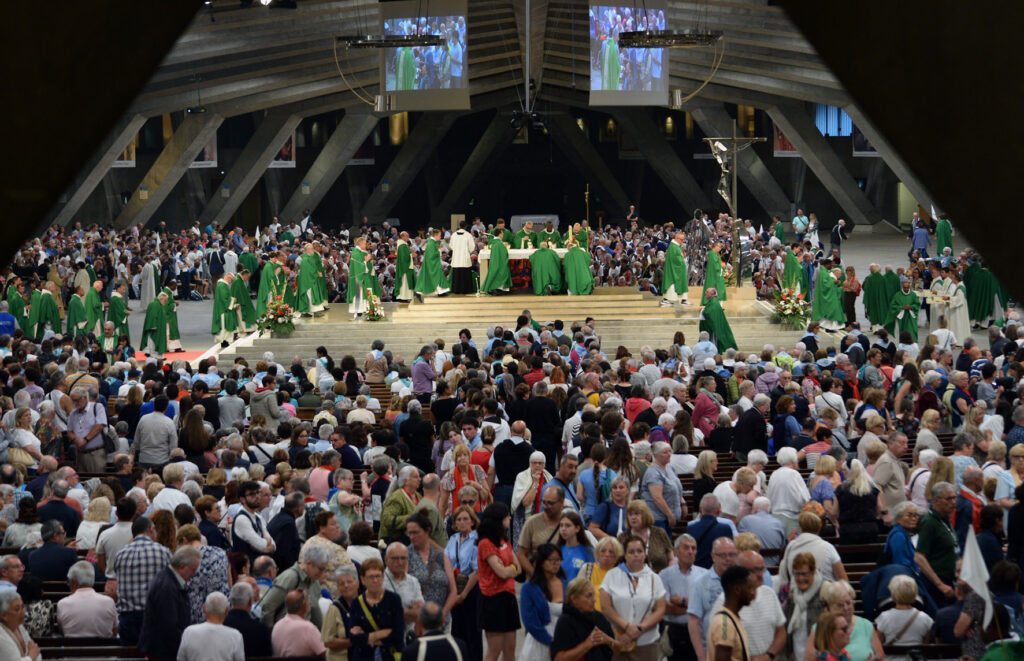


The readings for Maundy Thursday spoke with remarkable unity, drawing together themes of sacrifice, service and the gift of the Eucharist.
The first reading, from the Book of Exodus (12:1–8, 11–14), recalled the institution of the Passover. The Israelites were instructed to mark their doors with the blood of the lamb, so that death might pass over them. This ancient event is not merely remembered but re-lived as a memorial for all generations. On this night, the Church recognises Christ as the true Paschal Lamb, whose sacrifice brings definitive liberation from sin and death. The Passover becomes the lens through which we understand the saving events now celebrated.
In the second reading, from St Paul’s First Letter to the Corinthians (11:23–26), we hear the earliest account of the institution of the Eucharist. St Paul hands on what he himself received, that the Lord Jesus, on the night he was betrayed, took bread and wine and gave them to his disciples as his Body and Blood. This is no mere recollection, but a living tradition. Each time the Eucharist is celebrated, the Church proclaims the death of the Lord “until he comes.” Maundy Thursday thus stands at the very origin of the Mass, reminding us that the Eucharist is both sacrifice and communion, gift and mystery.
The Gospel from St John (13:1–15) shifts our focus from the table to an unexpected gesture, the washing of the disciples’ feet. In this powerful act, Christ reveals the true meaning of his kingship, not domination, but humble service. “I have given you an example,” he tells them, calling every disciple to imitate his self-giving love. The Mandatum, from which Maundy Thursday takes its name, is therefore not simply a ritual, but a commandment to live out charity in concrete and sacrificial ways.
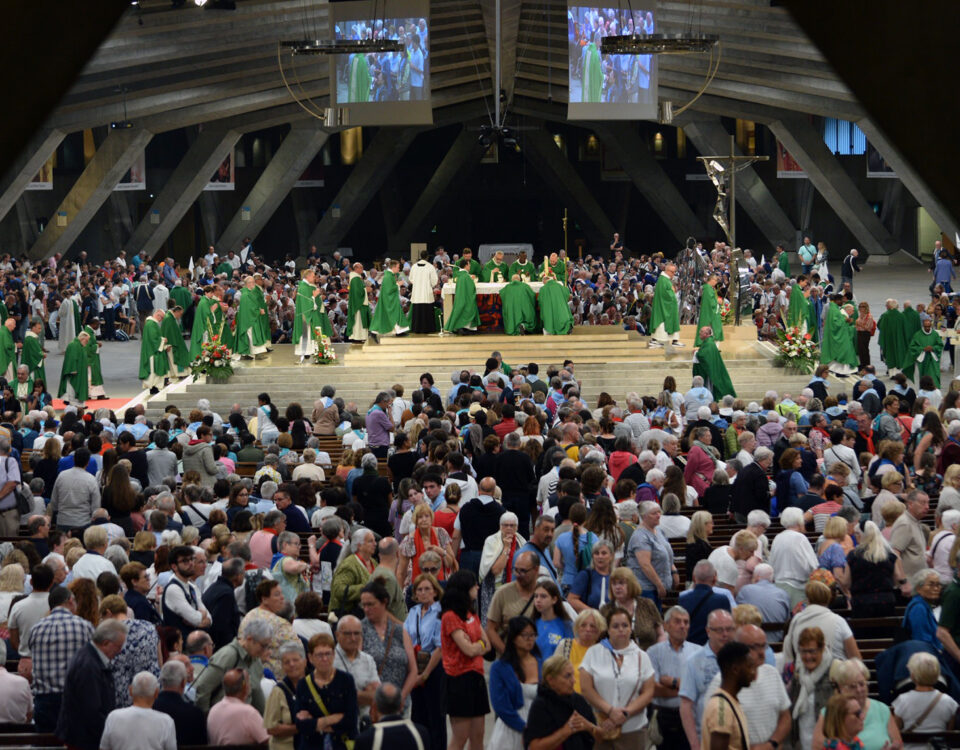
These scriptural themes were made visible in the liturgy itself. The washing of the feet, carried out by Bishop Peter, embodied Christ’s command to serve one another in humility. It is a moment of striking intimacy, reminding all present that the Christian vocation is rooted in love expressed through action.
At the conclusion of Mass, the mood shifted from solemn celebration to quiet contemplation. The Blessed Sacrament was carried in procession to the Altar of Repose, recalling Christ’s journey to the Garden of Gethsemane. The sanctuary was gradually stripped, leaving a sense of absence and anticipation.
The faithful remained to watch and pray, keeping vigil with the Lord in silent adoration. In this stillness, the Church enters into the loneliness of Christ’s agony, responding to his question, “Could you not watch with me one hour?”
Maundy Thursday is a night rich in meaning. It is the night of the Eucharist, the night of the priesthood, and the night of the new commandment of love. Through word and sacrament, gesture and silence, the Church is drawn ever more deeply into the mystery of Christ’s self-giving. It is both a night of service and of silent adoration, a movement from action to contemplation, from the Upper Room to the Garden. In this sacred rhythm, the faithful of East Anglia were once again invited not only to remember, but to participate in the saving love of Christ, made present in the liturgy and carried into the world.